How Austin's Heat and Humidity Affect Your Garage Door (And How to Protect It)
Central Texas summers are brutal. Triple-digit heat, intense UV, and humidity that swings dramatically throughout the year. Your garage door feels every bit of it. Here is what Austin homeowners need to know to protect their investment through every season.
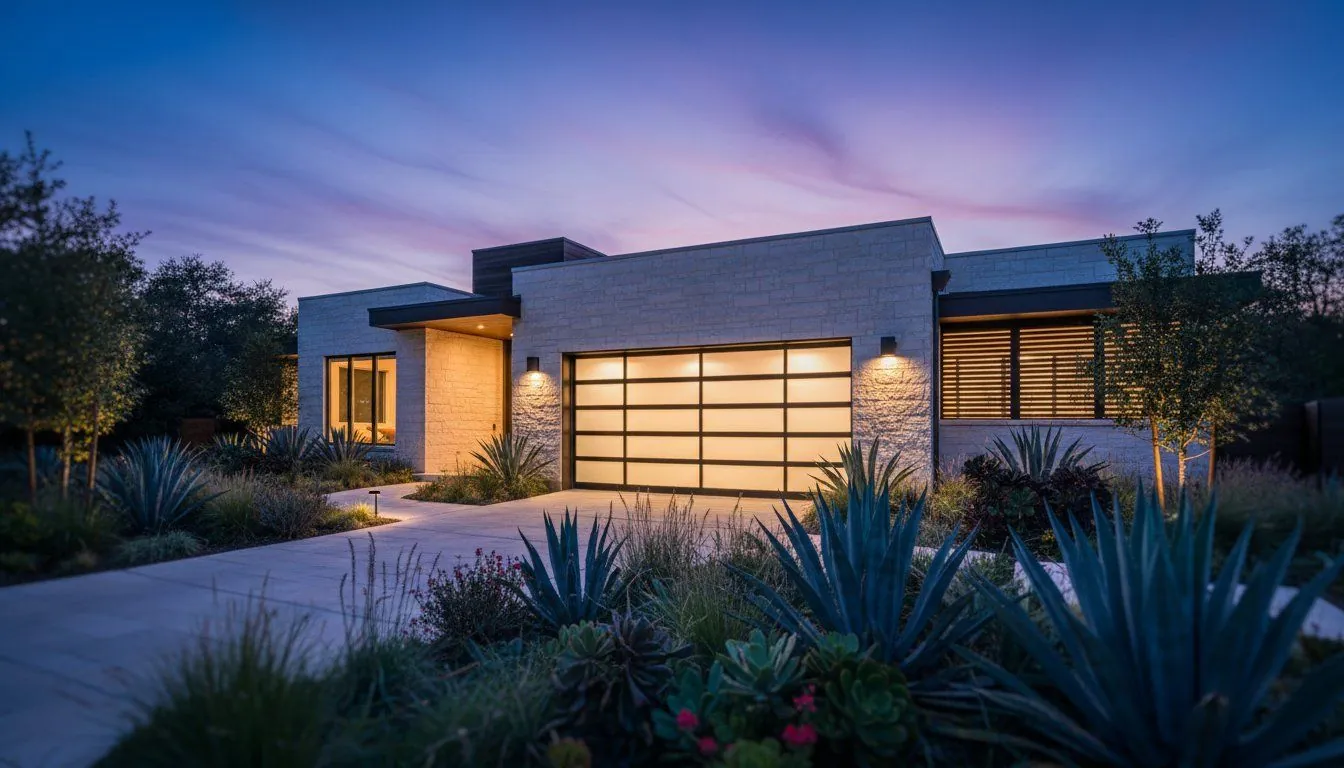
How Austin's Climate Is Different
Most garage door maintenance guides are written for average climates. Austin is not average. The combination of sustained triple-digit heat in summer, high UV index, significant humidity during spring storm season, and occasional hard freezes in winter creates a uniquely demanding environment for every metal, rubber, and mechanical component in your garage door system.
We service doors across Austin year-round and see the same climate-driven wear patterns repeatedly. The issues that show up on Austin service calls are often more frequent and more severe than what the same door would experience in a milder part of the country.
Heat Warps Wood Panels
Wooden garage doors and those with wood overlays are especially vulnerable to Texas summers. Prolonged heat exposure causes wood to warp, crack, and separate at the joints. South-facing and west-facing garages are the worst affected because they receive direct afternoon sun for hours. If you have a wood or wood-look door, applying a UV-resistant exterior sealant annually can significantly extend the life of the panels. Without it, the wood will degrade noticeably faster than the manufacturer's rating suggests.
Metal Expands and Contracts
Steel and aluminum doors expand in heat and contract overnight. Over years of this thermal cycling, fasteners loosen, tracks can warp slightly, and seals degrade faster than in milder climates. This is one reason we recommend quarterly hardware checks for Austin homeowners rather than the annual check that is standard advice elsewhere. A bolt that is snug in April may be noticeably loose by August after months of daily expansion and contraction.
Rubber Seals Degrade Fast
The bottom seal and weatherstripping along the sides and top of your door are made of rubber. Rubber does not hold up well to sustained UV exposure. In Austin, plan to replace the bottom seal every 2 to 3 years rather than the every 5 years that is typical in cooler climates. A cracked or hardened seal lets in hot air, water during storms, and insects. It is one of the cheapest maintenance items on the door and one of the most overlooked.
Humidity and Springs
Austin's humidity, especially during spring storm season from March through May, accelerates corrosion on uncoated torsion springs. Standard springs that would last 7 to 10 years in a dry climate can show significant surface rust within 3 to 4 years in Austin without proper lubrication. If your springs are not galvanized or powder-coated, consider upgrading to corrosion-resistant springs at your next replacement. They cost slightly more upfront but last significantly longer in humid Texas air.
Seasonal Maintenance Schedule for Austin
Spring (March to May)
- Inspect all rubber seals
- Lubricate springs, hinges, and rollers
- Check spring tension before summer heat sets in
- Tighten all hardware after winter
- Test safety sensors and auto-reverse
Summer (June to August)
- Check opener heat sensors
- Verify door balance monthly
- Inspect door finish for UV damage
- Apply UV sealant to wood doors
- Keep tracks clear of debris
Fall (September to November)
- Replace any degraded seals
- Tighten hardware loosened by summer cycling
- Test auto-reverse safety feature
- Lubricate all moving parts again
- Schedule annual professional tune-up
Winter (December to February)
- Inspect seals after any freeze event
- Check for brittle or cracked rubber
- Test door balance after temperature drops
- Watch for spring failures after first freeze
What We See Most on Austin Service Calls
Spring failures in January and February after the first hard freeze. Seized plastic rollers that have cracked from UV exposure and heat cycling. Weather seals that are rock-hard and no longer making contact with the ground. Hardware that has vibrated loose from repeated thermal expansion. These are not random failures. They are predictable patterns driven directly by Austin's climate.
The good news is that all of them are preventable with the right seasonal maintenance schedule and annual professional tune-up.
Related Services
Frequently Asked Questions
Protect Your Door From Texas Weather
Book a seasonal inspection with our Austin team and we will catch weather-related damage before it becomes an expensive repair.
Call (512) 947-4451