Call Now: (512) 947-4451- 24/7 Emergency Service
Mon-Sun · 24/7 Emergency Available
Garage door torsion springs, Let's Roll Garage Doors

7 Warning Signs Your Garage Door Spring Is About to Break

June 2, 2026 Let's Roll Team 5 min read

A broken torsion spring is one of the most common, and most dangerous, garage door failures. When a spring snaps, your door can become completely inoperable in seconds, leaving your vehicle trapped or your home unsecured. The good news: springs usually give you warning signs before they fail entirely.

Never attempt to repair or replace garage door springs yourself. Torsion springs are under extreme tension and can cause serious injury. Always call a certified technician.

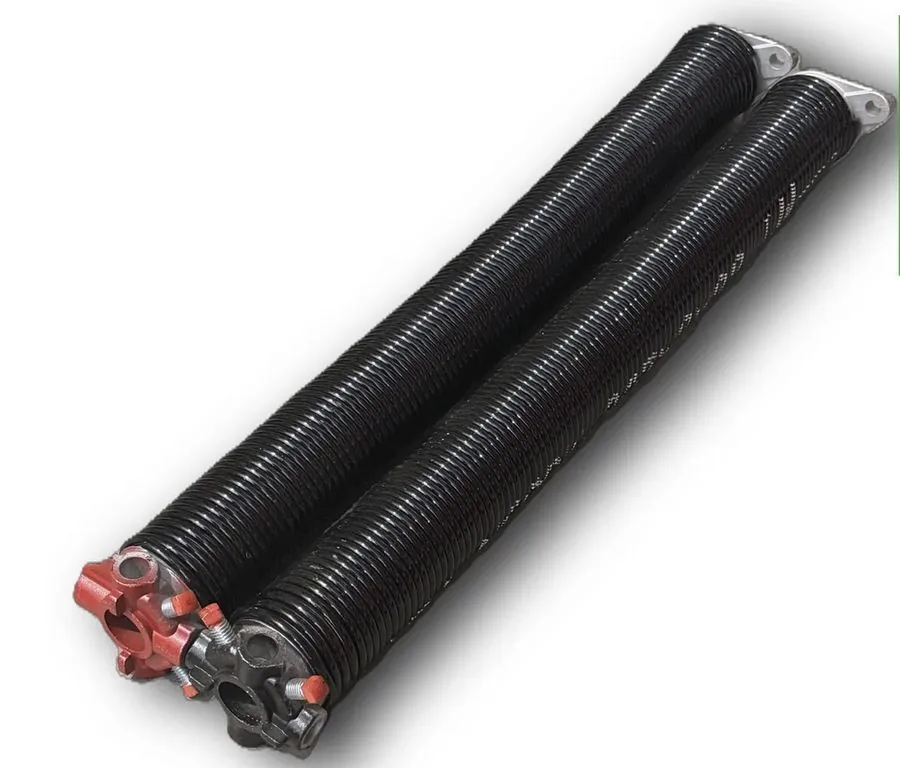
Torsion spring system on garage door, visible gap indicates broken spring

A torsion spring system showing the gap from a broken spring. Never attempt repairs yourself, always call a certified technician.

1. The Door Feels Unusually Heavy

Springs counterbalance the weight of your garage door. If a spring is weakening or partially broken, the door will feel much heavier than normal when you try to open it manually. A balanced door should lift easily with one hand, if it takes real effort, that's a red flag.

2. You Hear a Loud Bang

When a torsion spring snaps, it makes a sound like a gunshot or loud bang, often described as someone throwing something heavy in the garage. If you hear this sound and your door won't open, your spring has likely broken.

3. There's a Visible Gap in the Spring

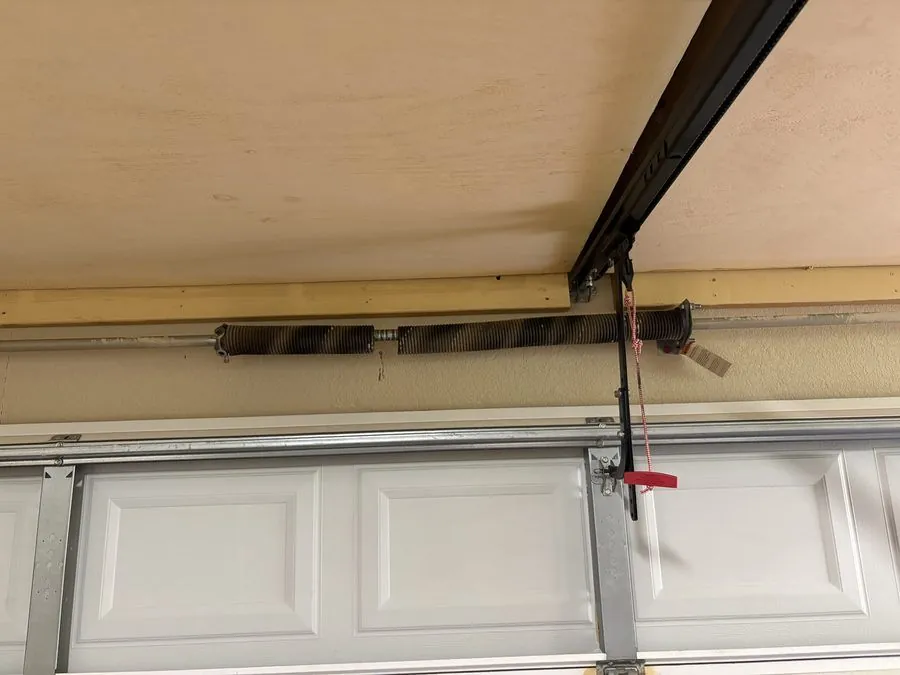
Torsion spring on garage door, Let's Roll Garage Doors Austin TX

Visible gaps in a torsion spring coil indicate a broken spring that needs immediate replacement.

Look at the springs above your garage door. A broken torsion spring will have a visible gap, typically a separation of 2 inches or more in the coil. If you see this, don't use the door until it's repaired.

4. The Door Opens Crooked

If one spring fails in a two-spring system, the door will rise unevenly, one side will be higher than the other. This puts enormous strain on the cables, tracks, and opener, and can cause secondary damage quickly.

5. The Opener Strains or Fails

Your garage door opener is designed to work with a properly functioning spring system. If the opener is straining, reversing immediately, or triggering its safety stop when trying to open the door, a failing spring is often the cause.

6. Cables Are Loose or Hanging

Broken springs cause the cables to go slack or hang freely on the sides of the door. Loose cables are both a symptom and a danger, they can snap or tangle, causing additional damage.

7. The Spring Looks Stretched or Worn

Over time, springs lose tension and may appear stretched, elongated, or corroded. If the coils look widely spaced or the spring has visible rust, it's nearing the end of its lifespan and should be replaced proactively.

How Long Do Garage Door Springs Last?

Standard torsion springs are rated for approximately 10,000 cycles. For an average household opening the door 4 times a day, that's roughly 7 years. High-cycle springs rated for 25,000-50,000 cycles are available and worth the investment.

Frequently Asked Questions

No. Torsion springs are under extreme tension and can cause severe injury or death if handled without the right tools and training. This is one repair that should always be left to a certified technician.

In Austin, single torsion spring replacement typically runs $150-$250, while a two-spring system is usually $200-$350. We always recommend replacing both springs together since they wear at a similar rate.

Standard torsion springs are rated for about 10,000 cycles, roughly 7 years for an average household. High-cycle springs rated for 25,000-50,000 cycles are available and last considerably longer.

No. A broken spring means the door has lost its counterbalance, putting excess strain on the opener and cables and creating a real risk of the door falling. Avoid using the door and call for emergency service.

Torsion springs mount horizontally above the door and twist to store energy, while extension springs run along the upper tracks and stretch. Torsion springs are more common today and generally considered safer and longer-lasting.

As soon as possible. Once a spring shows signs of wear, it can fail completely with little further warning. We offer 24/7 emergency service in Austin for exactly this reason.

Suspect a Spring Issue? We Can Help.

Our Austin technicians are available 24/7 for spring inspections and emergency replacements. Don't risk injury, let the pros handle it.

Call (512) 947-4451
Beautiful Austin home with garage door

How Much Does Garage Door Repair Cost in Austin, TX? (2026 Guide)

May 28, 2026 Let's Roll Team 4 min read

One of the most common questions we get is: "How much will this cost?" Garage door repair pricing varies depending on the specific issue, parts needed, and urgency. Here's an honest, up-to-date breakdown for Austin homeowners in 2026.

Let's Roll Garage Doors provides free estimates with transparent, upfront pricing. No hidden fees, ever.

Common Repair Costs in Austin

Spring Replacement: $150-$350

This is the most common repair. Torsion spring replacement typically runs $150-$250 for a single spring and $200-$350 for a two-spring system. Always replace both springs at the same time, if one breaks, the other is usually near the end of its life too.

Opener Repair: $100-$250

Opener issues range from circuit board failures to motor replacements. Minor repairs like sensor alignment or remote reprogramming cost $75-$125. Full motor replacement runs $150-$250. A brand-new opener installation ranges from $250-$500 installed.

Cable Replacement: $100-$200

Cables typically come in pairs and should be replaced together. The job takes about an hour and includes the parts and labor to re-tension the spring system.

New Door Installation: $800-$2,500+

A basic single-car steel door installed runs $800-$1,200. Premium materials (wood, glass, carriage-house styles) and double-car widths push costs to $1,500-$2,500 or more.

Roller & Hinge Replacement: $75-$150

Worn rollers and hinges cause noise and wear. Replacing them is a quick, affordable fix that dramatically improves door performance and reduces strain on the opener.

Emergency Service Fees

Most companies charge an after-hours or weekend service call fee of $50-$100. At Let's Roll, we're transparent about this upfront and work to keep emergency costs reasonable.

When to Repair vs. Replace

If your door is over 15-20 years old and repairs would cost more than 50% of a new door's value, replacement is often the smarter investment. Our techs will always give you an honest recommendation.

Frequently Asked Questions

It depends on the cause. Damage from a storm, fire, or vehicle impact is often covered, while normal wear and tear from age usually isn't. Check with your insurance provider about your specific policy.

Most companies, including us, add a $50-$100 after-hours or weekend service fee on top of the repair cost itself. We're upfront about this fee before any work begins.

If your door is over 15-20 years old and the repair would cost more than half of a new door's value, replacement is usually the smarter long-term investment. Our techs will give you an honest comparison before you decide.

Yes. We provide free, no-obligation estimates with transparent, upfront pricing so you know the full cost before any work begins.

Cost depends on the specific issue, the parts needed, door size and material, and whether the job is standard or after-hours emergency service. A single-spring fix costs far less than a full opener or door replacement.

Most common repairs, like spring or cable replacement, take about an hour. Full door or opener installations typically take a few hours depending on the scope of the job.

Get an Honest, Upfront Estimate

No surprises, no pressure. Call or submit your info and we'll give you a straight answer on cost.

Call (512) 947-4451
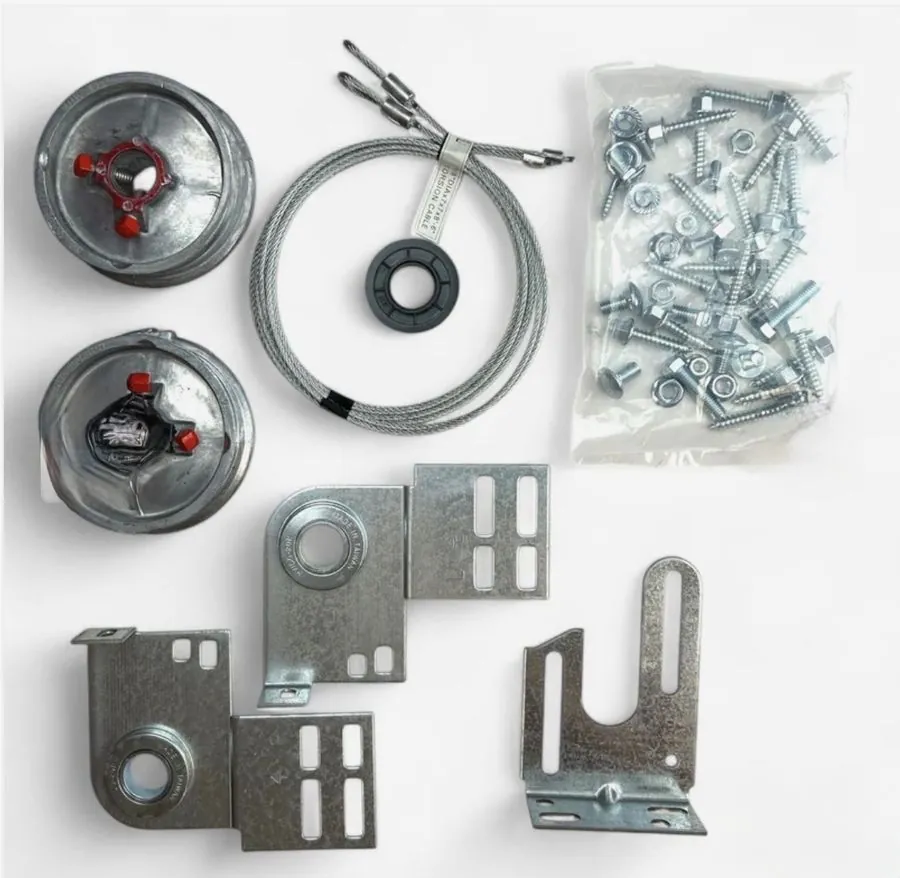
Garage door maintenance hardware and parts

5 Easy Garage Door Maintenance Tips That Add Years to Its Life

May 15, 2026 Let's Roll Team 3 min read

Your garage door is one of the hardest-working mechanical systems in your home, often opening and closing 1,500+ times per year. A little preventative maintenance goes a long way. Here are five things you can do in under 30 minutes to extend its life and avoid expensive repairs.

1. Lubricate the Moving Parts Every 6 Months

Use a white lithium grease or silicone-based lubricant (not WD-40) on springs, hinges, rollers, and the opener chain or screw. Avoid lubricating the tracks, they should stay clean and dry for proper roller contact.

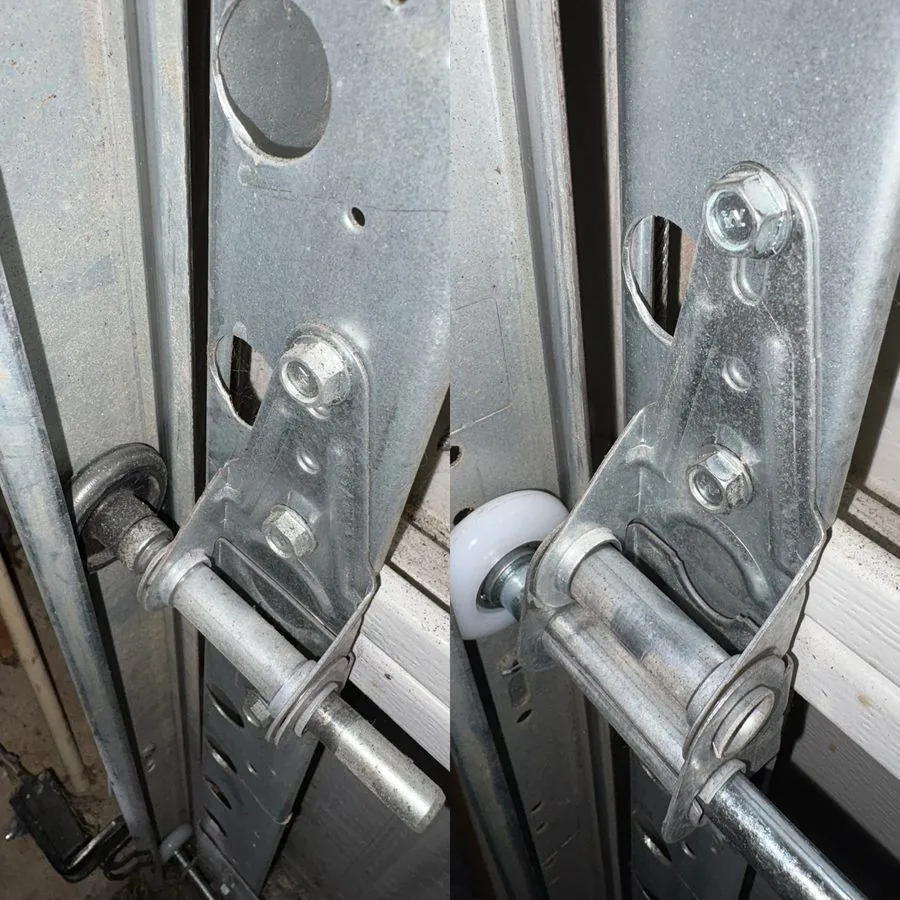
Garage door hinge and roller before and after replacement, Let's Roll Garage DoorsApply lubricant to hinges, springs, and rollers, never to the tracks themselves.
2. Test the Balance Monthly

Disconnect the opener (pull the red cord) and manually lift the door halfway. It should stay in place. If it falls or shoots up, the springs are out of balance and need professional adjustment.

3. Inspect and Replace Weather Stripping

Check the rubber seal at the bottom of the door and the strips along the sides and top. Cracked or flattened seals let in water, pests, and hot Texas air. Replacement strips cost under $30 at any hardware store and install in minutes.

4. Tighten All the Hardware

The vibration of thousands of open/close cycles loosens nuts, bolts, and brackets over time. With a socket wrench, go around and snug up every fastener you can see, especially the bolts holding the track brackets to the wall.

5. Test Your Safety Sensors

Place a 2x4 flat on the floor in the path of the door and try to close it. The door should reverse immediately on contact. If it doesn't, the auto-reverse is malfunctioning and needs immediate attention, this is a safety requirement, not optional.

Pro tip: Schedule a professional tune-up once a year. Our techs catch issues you'd never notice, and it's far cheaper than an emergency repair call.

Frequently Asked Questions

Every 6 months is a good baseline for most homes. If your door sees heavy daily use or you notice new noise, lubricating a bit more often won't hurt.

Use a white lithium grease or silicone-based lubricant on springs, hinges, rollers, and the opener chain or screw. Avoid WD-40, and never lubricate the tracks themselves.

Disconnect the opener and manually lift the door about halfway. A balanced door will stay in place. If it falls or shoots upward, the springs need professional adjustment.

Yes. Place a 2x4 flat on the floor in the door's path and try closing it. The door should reverse immediately on contact. If it doesn't, the auto-reverse feature needs immediate professional attention.

Once a year is the standard recommendation. A professional catches wear and hardware issues that are easy to miss during a DIY check.

Schedule a Professional Tune-Up

Our Austin team does full inspections, lubrication, balance checks, and safety tests. Book yours today.

Call (512) 947-4451
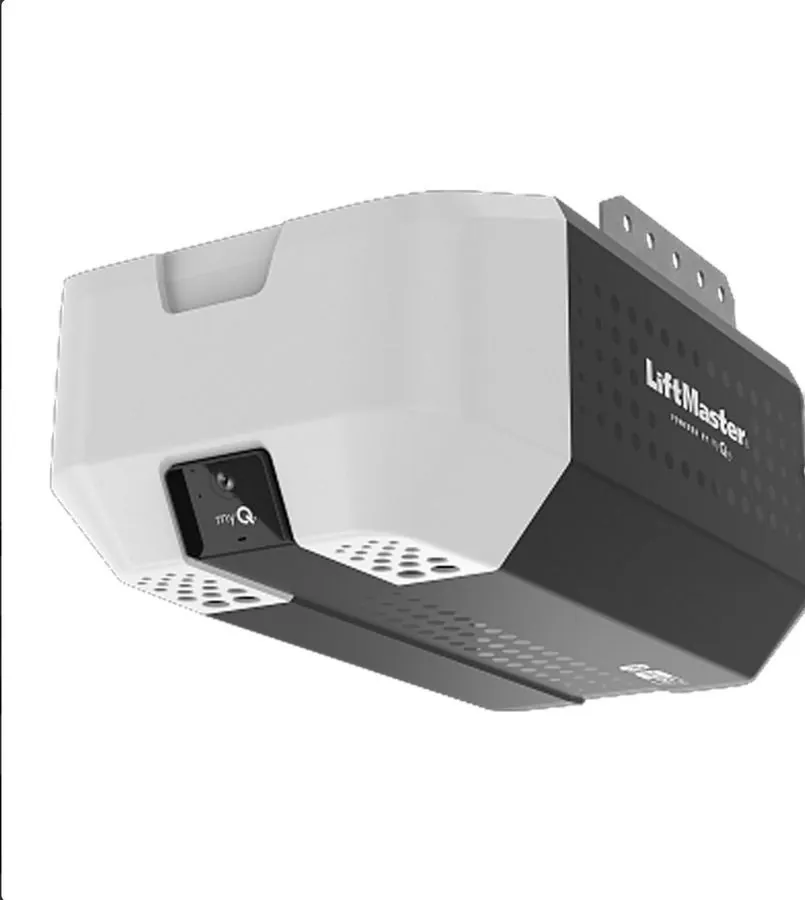
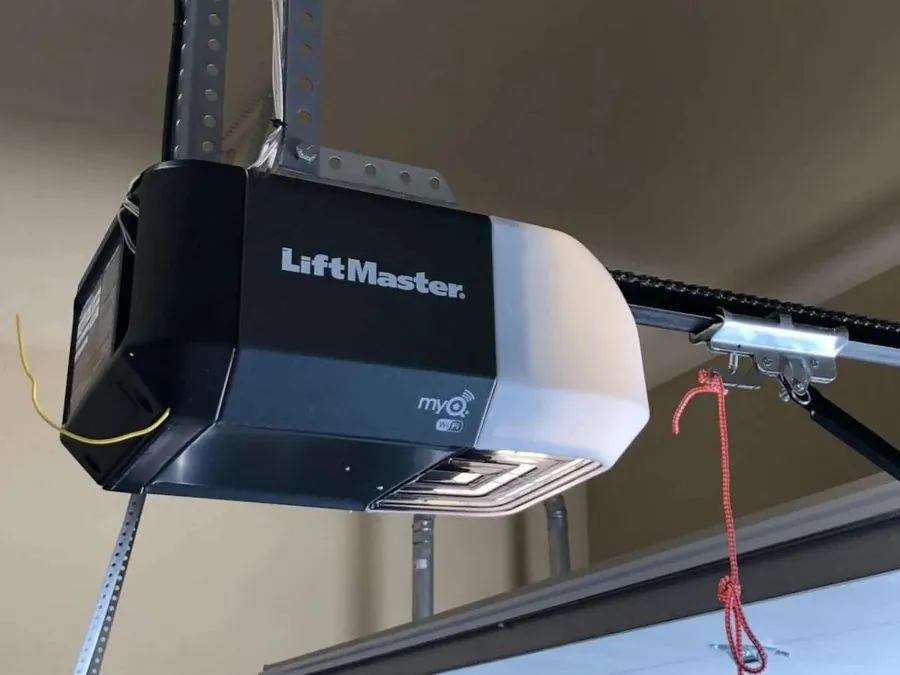
LiftMaster smart garage door opener

Smart Garage Door Openers: Is It Worth the Upgrade in 2026?

May 5, 2026 Let's Roll Team 4 min read

Smart garage door openers let you open, close, and monitor your garage from anywhere in the world via smartphone. They've dropped significantly in price over the last few years, and for Austin homeowners, they offer real peace of mind.

What Makes an Opener "Smart"?

A smart opener connects to your home's WiFi and pairs with an app. Key features include remote open/close, real-time alerts (e.g., "Your garage door has been open for 30 minutes"), activity history, and integration with smart home platforms like Google Home, Amazon Alexa, and Apple HomeKit.

LiftMaster myQ smart garage door opener installed in Austin TX garage

A LiftMaster myQ opener installed and running, control your garage from anywhere via the app.

Top Smart Openers in 2026

LiftMaster 84505R, Best Overall

The industry standard. Built-in camera, automatic closing timer, works with myQ app. Roughly $650-$750 installed. Compatible with most homes and door types.

Chamberlain B4643T, Best Value

Belt drive (ultra-quiet), myQ connectivity, and battery backup. Around $450-$550 installed. Great for attached garages next to living spaces.

Genie ChainMax 1000 Smart, Budget Pick

Solid chain drive with Aladdin Connect WiFi module. Around $380-$450 installed. Slightly louder but reliable and affordable.

Is It Worth It?

If you've ever driven halfway to work wondering whether you closed the garage, yes, it's worth it. The ability to check and close your door remotely eliminates that anxiety. Combined with the added home security and delivery access features, the upgrade typically pays for itself in convenience within the first year.

Many Austin homeowners use smart openers to grant access to house cleaners, dog walkers, and family members without sharing physical keys or garage codes.

Frequently Asked Questions

In most cases, yes. Smart openers are compatible with the large majority of residential doors and door types. Our techs can confirm compatibility during your free estimate.

Core features like remote open/close and alerts are typically free through apps like myQ or Aladdin Connect. Some advanced features, such as extended camera storage, may involve an optional paid tier.

Yes. The opener still functions normally with your wall button or physical remote during a WiFi outage. You'll only lose the remote app features until the connection is restored.

It's possible for some models, but professional installation ensures correct wiring, safety sensor alignment, and proper spring/door balance, which matters both for safety and for the opener's long-term performance.

Most current models integrate with Google Home, Amazon Alexa, and Apple HomeKit, letting you control your garage door through voice commands or a broader smart home routine.

Installed pricing generally ranges from about $380 for a solid budget pick up to $650-$750 for a premium model with camera and advanced features.

Ready to Upgrade Your Opener?

We install all major smart opener brands throughout Austin and surrounding areas. Call for a free recommendation and quote.

Call (512) 947-4451
Austin Texas home with garage door at dusk

How Austin's Heat & Humidity Affect Your Garage Door

April 22, 2026 Let's Roll Team 3 min read

Central Texas summers are brutal, triple-digit heat, intense UV, and humidity that swings dramatically. Your garage door feels every bit of it. Here's what Austin homeowners need to know to protect their investment through every season.

Heat Warps Wood Panels

Wooden garage doors and those with wood overlays are especially vulnerable to Texas summers. Prolonged heat exposure causes wood to warp, crack, and separate, especially on south- or west-facing garages with direct afternoon sun exposure. UV-resistant sealant applied annually can significantly extend panel life.

Metal Expands and Contracts

Steel and aluminum doors expand in heat and contract at night. Over years, this thermal cycling loosens fasteners, warps tracks slightly, and causes seals to degrade faster than in milder climates. Quarterly hardware checks are more important here than in most parts of the country.

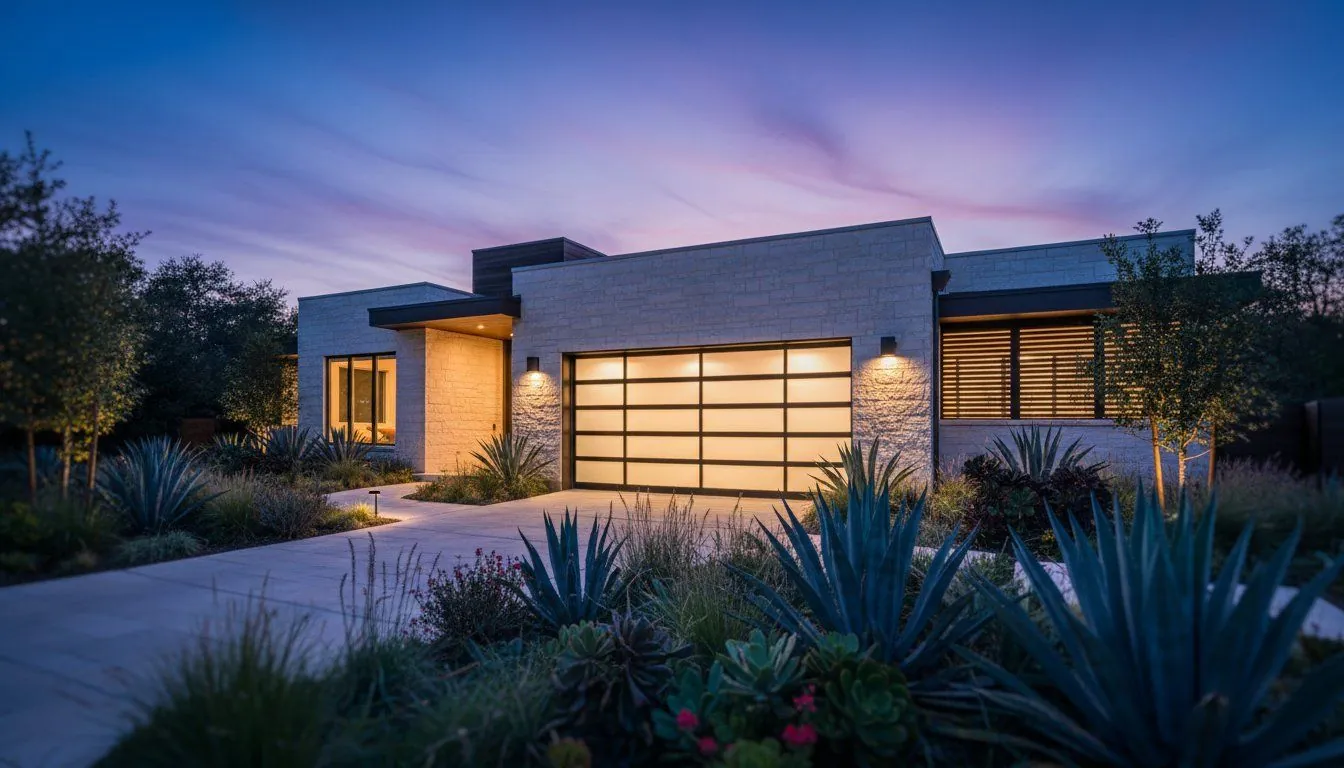
Austin home with garage door at night

South and west-facing garage doors in Austin receive the most sun exposure and need extra protection.

Rubber Seals Degrade Fast

The bottom seal and weatherstripping on your door are made of rubber, and rubber doesn't love Texas heat. UV exposure hardens and cracks seals over time, letting in hot air, water, and insects. Plan to replace seals every 2-3 years in Austin vs. every 5 years in cooler climates.

Humidity and Springs

Austin's humidity, especially during spring storm season, accelerates corrosion on uncoated torsion springs. If your springs aren't galvanized or powder-coated, consider upgrading to corrosion-resistant springs at next replacement. They cost slightly more but last significantly longer in humid Texas air.

Seasonal Maintenance Schedule for Austin

Frequently Asked Questions

Plan on every 2-3 years in Austin, compared to about every 5 years in milder climates. Texas UV exposure hardens and cracks rubber seals faster than average.

Yes, indirectly. Prolonged summer heat can affect an opener's internal components and heat sensors, so it's worth checking opener performance during the hottest summer months.

Steel and aluminum doors handle Austin's heat cycling reasonably well, but wood or wood-overlay doors are more vulnerable to warping and cracking and need annual UV-resistant sealant.

Yes. Austin's humidity, especially during spring storm season, accelerates corrosion on uncoated torsion springs. Galvanized or powder-coated springs resist this much better over time.

Spring (March-May) is ideal, since it lets you inspect seals and check spring tension before peak summer heat sets in. A fall check-up is also smart to catch any summer sun damage.

Protect Your Door From Texas Weather

Book a seasonal inspection with our Austin team and we'll catch weather-related damage before it becomes an expensive repair.

Call (512) 947-4451
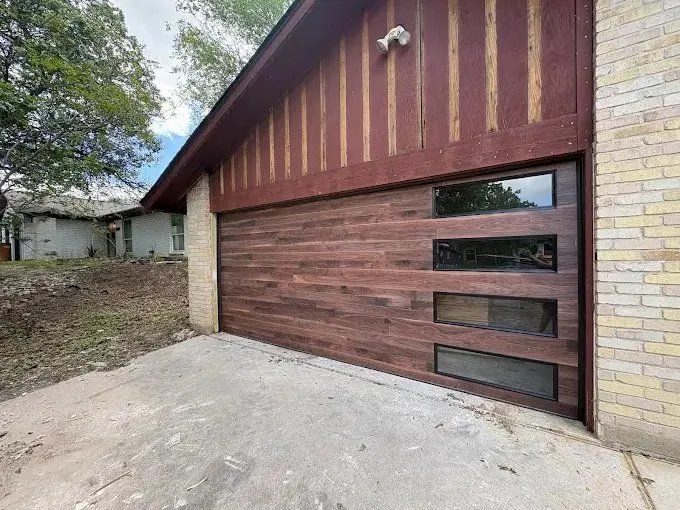
Insulated garage door installation, Let's Roll Garage Doors Austin TX

Insulated Garage Doors in Austin, TX: A Smart Investment for Your Home

July 18, 2026 Let's Roll Team 5 min read

If you're considering replacing your garage door, one of the best upgrades you can make is choosing an insulated garage door. With Austin's intense summer heat, occasional winter cold snaps, and unpredictable weather, an insulated garage door offers year-round comfort, energy savings, and quieter operation.

At Let's Roll Garage Doors, we help homeowners throughout Austin and the surrounding areas select and install high-quality insulated garage doors designed to improve comfort, efficiency and keep indoor temperatures in check.

What Is an Insulated Garage Door?

An insulated garage door is built with multiple layers of steel or aluminum and filled with insulating material such as polyurethane or polystyrene foam. Unlike a standard single-layer garage door, insulated doors help reduce heat transfer and improve overall durability.

Benefits include:

1. Stay Cooler During Austin Summers

Austin summers regularly bring temperatures above 100°F. An uninsulated garage can become extremely hot, making it uncomfortable and increasing the heat entering adjacent rooms.

An insulated garage door helps reduce heat buildup and keeps your garage significantly cooler throughout the day. This is especially beneficial if your garage is attached to your home, used as a gym, a workshop, storage area, or home office.

2. Lower Energy Bills

Many Austin homes have bedrooms, laundry rooms, or living spaces connected to the garage. When your garage overheats, your HVAC system works harder to maintain indoor temperatures.

Installing an insulated garage door can help reduce energy loss, improve your home's efficiency, and potentially lower monthly utility costs.

3. Quieter Garage Door Operation

Insulated doors are heavier and better at absorbing vibration. Combined with quality nylon rollers and a modern belt-drive opener, you'll notice less rattling, reduced vibration, quieter opening and closing, and less outside noise entering your garage. If your garage is beneath a bedroom, this upgrade makes a noticeable difference.

4. Increased Strength and Durability

Most insulated garage doors feature two or three layers of steel instead of a single layer. This makes them more resistant to dents, wind damage, daily wear, and minor impacts. For busy families in Austin, this added durability can extend the life of your garage door.

Understanding R-Value

When shopping for insulated garage doors, you'll often see an R-value, which measures insulation performance. Generally:

Higher R-values provide better protection against Austin's summer heat and winter cold.

Signs It's Time to Upgrade

You may benefit from replacing your current garage door if you notice:

A new insulated garage door often improves both comfort and your home's appearance.

Popular Insulated Garage Door Styles

Today's insulated garage doors are available in a wide range of styles, including traditional raised panel, modern flush panel, contemporary full-view glass, carriage house, wood-look steel doors, and custom color options. With so many choices, it's easy to find a door that complements your home's architecture.

Professional Installation Matters

Even the highest-quality garage door performs best when installed correctly. At Let's Roll Garage Doors, our experienced technicians ensure proper door sizing, correct spring balancing, safe installation, opener compatibility, a complete safety inspection, and smooth and reliable operation.

We proudly serve homeowners across Austin, Round Rock, Cedar Park, Georgetown, Pflugerville, Leander, Lakeway, Buda, Kyle, and surrounding areas.

Frequently Asked Questions

Insulated doors typically cost more upfront than single-layer steel doors due to the added material and construction, but the difference is often offset over time by energy savings and durability.

For Austin's intense summer heat, an R-10 or higher is generally worth the investment. R-14+ offers the best performance if your garage is attached to living space.

It can, especially if your garage is attached to bedrooms, laundry rooms, or living space. Reducing heat transfer through the garage eases the load on your HVAC system.

Yes, they're heavier than single-layer doors. Our technicians factor this into spring balancing and confirm your opener is rated to handle the added weight during installation.

DIY insulation kits exist for some door types, but they don't match the performance or durability of a factory-insulated door. For most homeowners, an insulated replacement door offers better long-term value.

Most single-door installations are completed in a few hours by our team, including door sizing, spring balancing, opener compatibility checks, and a full safety inspection.

Schedule Your Insulated Garage Door Installation Today

Whether you're replacing an outdated garage door or building a new home, an insulated garage door is a smart investment that improves comfort, efficiency, and curb appeal. Call today to schedule your free estimate and discover why homeowners throughout Austin trust Let's Roll Garage Doors for reliable garage door installation and repair.

Call (512) 947-4451
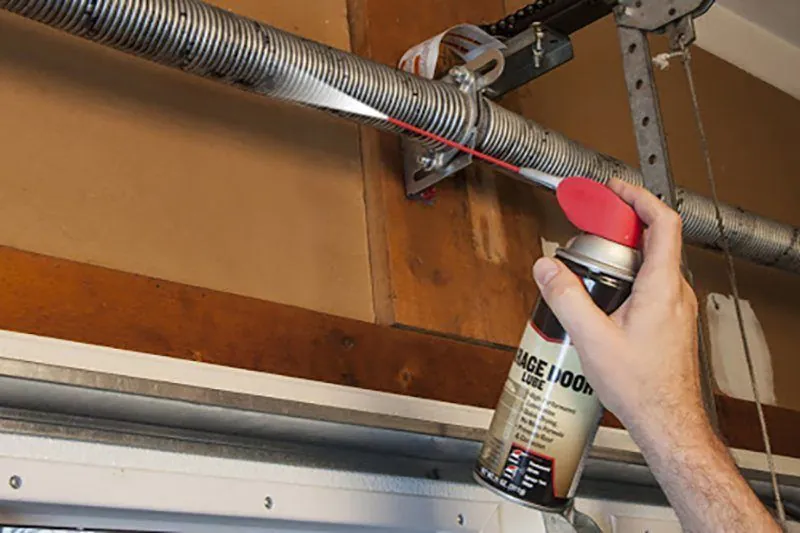
Garage door lubrication tune-up maintenance service

Garage Door Tune-Ups: Why Annual Maintenance Saves You Money and Keeps Your Door Safe

June 24, 2026 Let's Roll Team 5 min read

Your garage door is one of the hardest-working systems in your home. Most homeowners use it multiple times every day without giving it much thought, until something goes wrong. Whether it's a noisy door, worn rollers, broken springs, or an opener that suddenly stops working, many major garage door problems start as small issues that could have been prevented with routine maintenance.

At Let's Roll Garage Doors, we recommend scheduling a professional garage door tune-up at least once a year. Regular maintenance not only keeps your door operating safely and quietly, but it can also help you avoid costly repairs and extend the life of your entire garage door system.

What Is a Garage Door Tune-Up?

A garage door tune-up is a complete inspection and maintenance service designed to keep every moving part operating properly. During a professional tune-up, a trained technician carefully examines your garage door, opener, springs, cables, rollers, tracks, hinges, and safety features to identify potential issues before they become expensive repairs.

A typical garage door tune-up includes:

This preventative maintenance helps your garage door operate smoothly while reducing unnecessary wear on the entire system.

1. Improve the Safety of Your Garage Door

Garage doors can weigh anywhere from 150 to over 600 pounds depending on size and material. If springs, cables, or safety systems fail, serious injury or property damage can occur.

During a tune-up, we inspect broken or frayed cables, weak or worn torsion springs, loose hinges, bent tracks, faulty safety sensors, the auto-reverse function, and overall garage door balance. Making sure these components are operating properly helps protect your family, pets, vehicles, and belongings.

2. Prevent Expensive Repairs

Many homeowners wait until their garage door completely stops working before calling for service. Unfortunately, waiting often turns a simple repair into a much larger expense. An unbalanced garage door forces the opener to lift more weight than it was designed to handle, which shortens the lifespan of the motor and internal gears over time. Worn rollers can damage the tracks, loose hinges can crack door panels, and dry bearings increase friction that wears out moving parts much faster.

Routine maintenance catches these problems early, saving hundreds, or even thousands, of dollars in future repairs.

3. Extend the Life of Your Garage Door

Your garage door is an investment, and like any mechanical system, it lasts longer when properly maintained. Lubricating moving parts reduces friction, adjusting spring tension helps keep the door balanced, replacing worn rollers before they fail prevents additional damage, and tightening hardware keeps everything aligned. With annual maintenance, it's common for garage doors and openers to last several years longer than systems that receive little or no maintenance.

4. Keep Your Garage Door Running Quietly

A garage door should not squeak, grind, shake, or bang every time it opens. Noisy garage doors are usually caused by dry rollers, worn bearings, loose hardware, poor lubrication, or misaligned tracks. Most of these problems can be corrected during a routine tune-up before they become larger mechanical issues. A properly serviced garage door should open smoothly, quietly, and consistently.

5. Avoid Emergency Breakdowns

Few things are more frustrating than discovering your garage door won't open when you're trying to leave for work. Emergency repairs are often caused by components that have been wearing out for months. Routine inspections help identify weak springs, fraying lift cables, rollers near failure, loose brackets, opener problems, and safety sensor issues, letting us replace these parts before they fail and cause an unexpected breakdown.

6. Improve Garage Door Performance

Over time, garage doors naturally shift as homes settle and components wear. A tune-up ensures your door opens evenly, closes completely, travels smoothly, doesn't strain the opener, and seals properly against the floor. Proper adjustments improve overall performance while reducing wear on every moving part.

Why Annual Maintenance Matters

Think of your garage door like your vehicle, you wouldn't expect your car to last 200,000 miles without changing the oil. Your garage door works the same way. Small maintenance services performed once a year can dramatically reduce future repair costs while improving safety and reliability. Most garage door manufacturers also recommend regular maintenance to help maximize the lifespan of their products.

Signs Your Garage Door Needs a Tune-Up

If you notice any of these symptoms, it's time to schedule service:

Ignoring these warning signs often leads to larger repairs later.

Frequently Asked Questions

Pricing varies by door size and condition. Call for a free, upfront quote, our team is transparent about cost before any work begins.

A standard tune-up typically takes under an hour, covering a full inspection, lubrication, balance test, and safety checks.

A full safety inspection, balance test, spring and cable check, roller and hinge inspection, hardware tightening, lubrication, track adjustment, opener performance check, and auto-reverse safety test.

Once a year is the standard recommendation for most households, similar to routine car maintenance.

In many cases, yes. Most emergency repairs are caused by components that were wearing out for months, weak springs, fraying cables, or worn rollers. A routine tune-up catches these before they fail.

Yes. Many issues, like a weakening spring or a misaligned safety sensor, aren't obvious during normal daily use. A tune-up catches these before they turn into a bigger problem.

Schedule Your Garage Door Tune-Up in Austin, TX

Whether your garage door is brand new or over 15 years old, routine maintenance can help extend its lifespan, improve performance, and prevent unexpected repairs. If your garage door has become noisy, isn't operating as smoothly as it should, or simply hasn't been serviced in over a year, now is the perfect time to schedule a professional tune-up.

Call (512) 947-4451
About Services Blog Areas FAQ (512) 947-4451 Free Estimate

From Our Blog

Garage door advice, maintenance guides, and Austin-specific tips from our team.

Back to Home
Garage door lubrication tune-up maintenance service Maintenance
June 24, 2026Let's Roll Team5 min read

Garage Door Tune-Ups: Why Annual Maintenance Saves You Money and Keeps Your Door Safe

Most major garage door problems start small. Here's why a yearly professional tune-up prevents costly repairs and keeps your door safe, quiet, and reliable.

Read Full Article
Garage door spring warning signs Safety
June 2, 20265 min read

7 Warning Signs Your Garage Door Spring Is About to Break, Don't Ignore These

A broken torsion spring is one of the most common, and dangerous, garage door failures. Here are seven early warning signs every Austin homeowner should know, and what to do before it becomes a costly emergency.

Read Full Article
Austin home garage door installation Pricing
May 28, 20264 min read

How Much Does Garage Door Repair Cost in Austin, TX? (2026 Guide)

Springs: $150-$350. Openers: $100-$250. Full installs: $800-$2,500. Here's an honest, full breakdown so you're never surprised by your bill.

Read Full Article
Garage door maintenance parts and hardware Maintenance
May 15, 20263 min read

5 Easy Garage Door Maintenance Tips That Add Years to Its Life

Regular maintenance takes under 30 minutes and can save you thousands in repairs. Here's exactly what to do, in order, to keep your door rolling smoothly.

Read Full Article
LiftMaster smart garage door opener Smart Home
May 5, 20264 min read

Smart Garage Door Openers: Is It Worth the Upgrade in 2026?

Control your garage from anywhere. We compare the top smart openers and break down which is best for Austin homeowners this year.

Read Full Article
Austin Texas skyline Austin Tips
April 22, 20263 min read

How Austin's Heat & Humidity Affect Your Garage Door (And How to Protect It)

Texas summers warp wood, degrade seals, and corrode springs faster than most climates. Here's your seasonal protection guide.

Read Full Article