When Should You Replace Your Garage Door? 10 Signs It's Time for a New Garage Door in Austin, TX
Your garage door is one of the largest and most frequently used parts of your home. In Austin, intense heat, humidity, storms, and temperature swings all affect how long a door lasts. Here is how to tell when repair is the right call and when replacement makes more sense.
How Long Does a Garage Door Last?
A typical residential garage door lasts approximately 15 to 30 years, depending on the quality of the door, installation, maintenance, climate, and how frequently it is used. In Austin, that timeline trends toward the lower end for wood and lower-grade steel doors due to UV exposure and thermal cycling.
Age alone does not determine when to replace. A 10-year-old door that has been properly maintained may have many years of useful life. An older door with rust, structural damage, and repeated failures may be a better candidate for replacement well before the 20-year mark.
10 Signs It's Time for a New Garage Door
The Door Is More Than 15 to 20 Years Old
An aging door deserves closer attention. Technology, insulation, safety features, and materials have all improved significantly. If your door is approaching 20 years old and already requiring frequent repairs, replacement is likely the better long-term investment.
It Needs Frequent Repairs
A garage door that needs repairs every few months is telling you something. Individual repairs are normal, but when multiple components are failing because the system is worn out, continuing to repair it stops making financial sense.
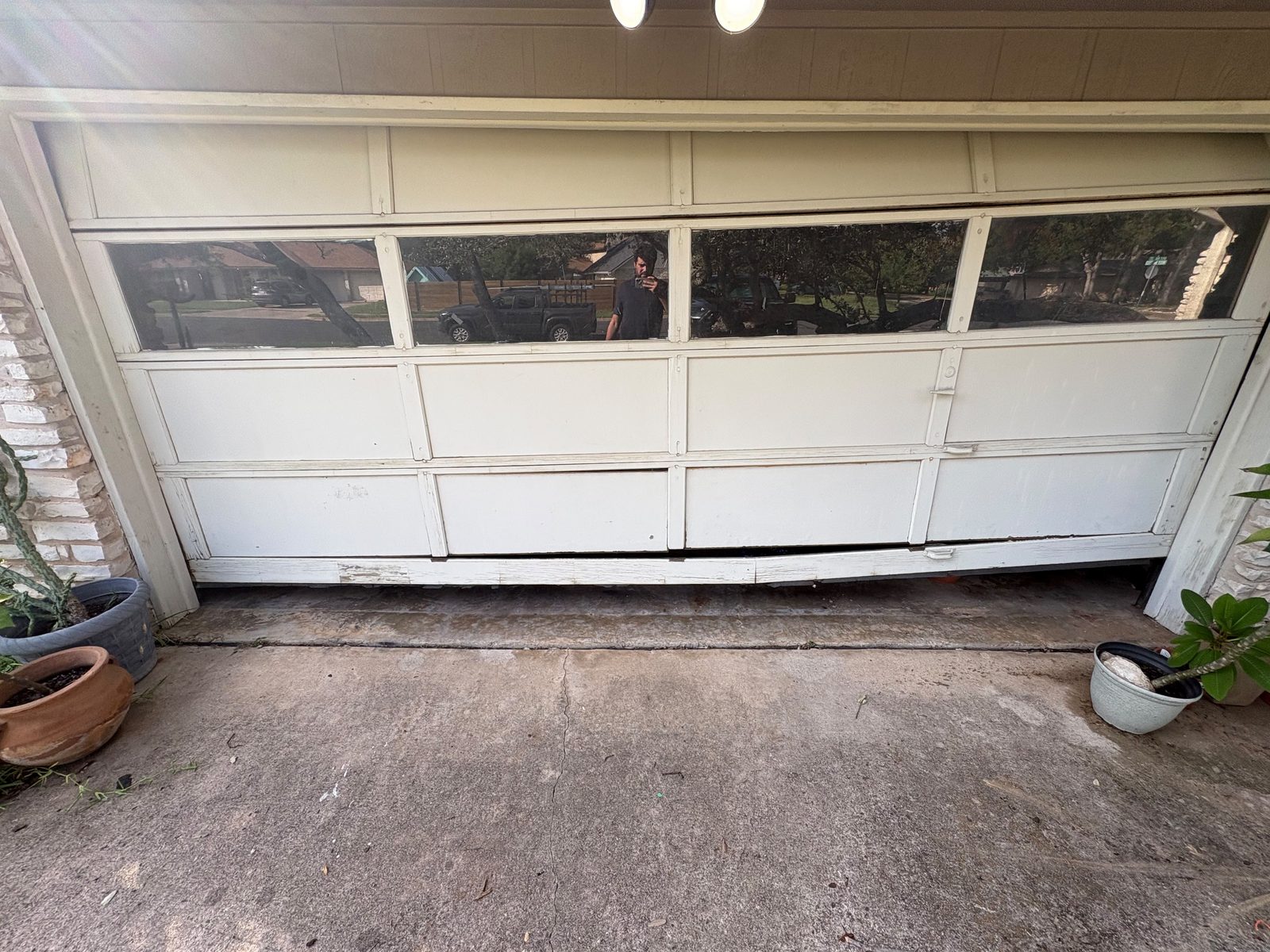
It Is Sagging or No Longer Sits Level
A door that sags or does not close evenly may have structurally compromised panels or a warped frame. While some level issues can be corrected, a door that has lost its structural integrity is a safety concern and usually a replacement candidate.
Multiple Panels Are Cracked, Bent, or Damaged
A single damaged panel can often be replaced. When multiple panels are cracked, bent, rusted, or deteriorating, replacing the entire door typically costs less than sourcing and installing multiple individual panels especially on older models where matching panels may not be available.
It Is Extremely Noisy Despite Repairs
Some noise is normal. But excessive grinding, banging, or rattling that persists after a tune-up and roller replacement usually indicates the door system itself is worn out. A new door with quality rollers and hardware should operate quietly.
It Struggles to Open or Close
A door that moves unevenly, stops halfway, or requires the opener to work visibly harder than it should is putting extra stress on the opener motor. If the door itself is the problem rather than the spring or opener, replacement may be more cost-effective than continued repairs.
It Is Rusted or Rotting
Austin's weather is hard on exterior materials. Small surface rust can sometimes be treated. Widespread corrosion on a steel door or significant rot on a wood door usually means the door's structural integrity is compromised and replacement is the right call.
Your Garage Gets Extremely Hot in Summer
If your garage becomes uncomfortably hot during Austin's summers, an uninsulated door is part of the problem. An insulated replacement door with an R-10 or higher rating can significantly reduce heat transfer especially important if the garage is attached to your home or used as a workspace. Read more in our guide to garage door installation and insulation.
It Looks Outdated
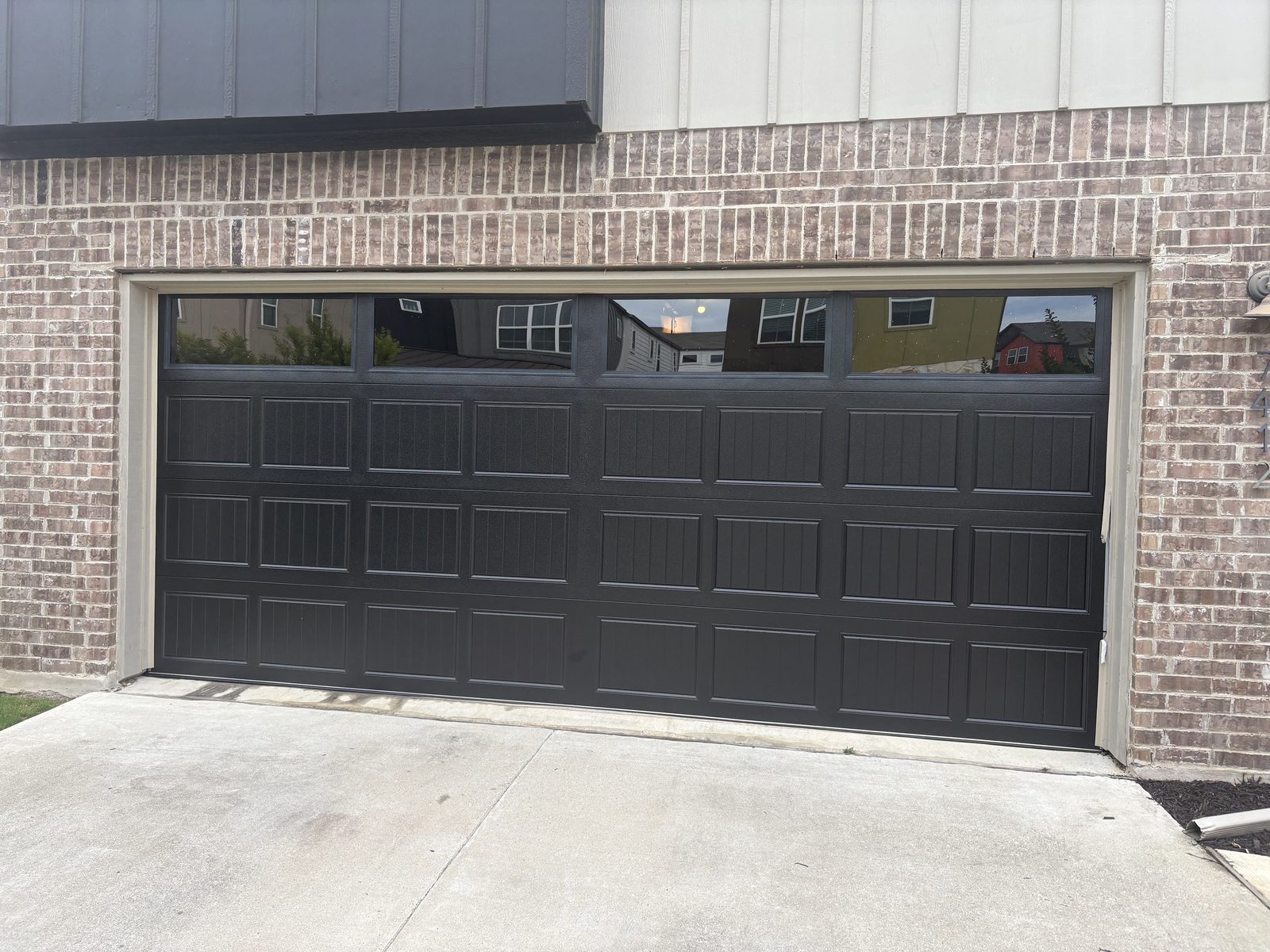
Your garage door can account for up to 30 percent of your home's visible facade. An old, faded, or damaged door significantly affects curb appeal. Modern options in traditional raised-panel, contemporary, carriage-house, and full-view glass styles can dramatically improve how the home looks.
It Is No Longer Safe
If the door does not reverse properly on contact, has broken cables, severely damaged springs, or other major mechanical problems, stop using it until it has been inspected. A door that is unsafe to operate is a replacement candidate regardless of its age.
Repair vs. Replace: How to Decide
Repair Makes Sense When
- The door is less than 15 years old
- Panels are structurally sound
- Only one component has failed
- The repair is inexpensive relative to door value
- The door operates correctly after the repair
Replacement Makes Sense When
- The door is 15 to 20+ years old
- Multiple components are failing
- Panels are severely damaged
- The door is poorly insulated
- Repair costs approach replacement cost
A professional inspection can help you compare the real cost of continued repairs against installing a new garage door. We will always give you an honest answer.
Related Services
Frequently Asked Questions
Need Help Deciding? We'll Give You an Honest Answer.
Whether you need a repair or a full replacement, our team can inspect your door, explain your options, and help you decide what makes the most sense. Free estimates across Austin and surrounding areas.
Call (512) 947-4451